
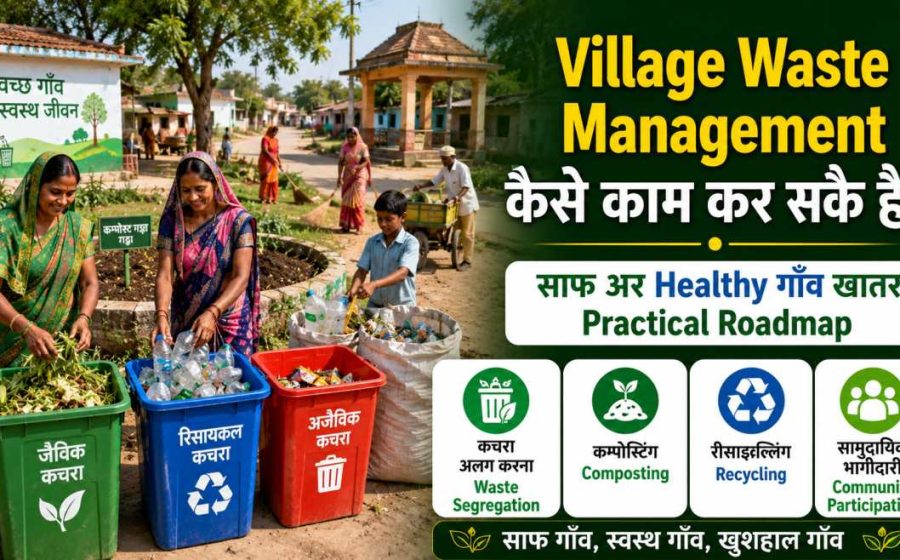
Village Waste Management कैसे काम कर सकै है? साफ अर Healthy गाँव खातर Practical Roadmap

Introduction: गाँवां में बढ़ती Waste की Problem
घणो समय तक Waste Management ने सिर्फ शहरां की Problem मान्यो जावै थो।
बड़े Urban Areas रोज बहुत सारा कचरो Generate करै था, जबकि Villages ने साफ-सुथरो अर Nature के करीब समझ्यो जावै थो।
लेकिन अब Picture बदल री है।
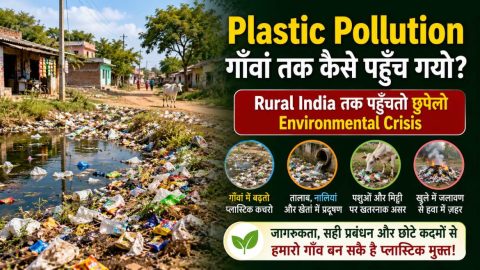
आज घणा गाँवां में आप खेतां के पास Plastic Wrappers, तालाब किनारे पड़ी Bottles, सड़क किनारे Food Waste अर Overflowing Waste Spots आसानी सूं देख सकै हो।
Reality बहुत Simple है।
Rural Lifestyle बदल चुकी है।
Packaged Food Products Common हो गया है।
Online Deliveries गाँवां तक पहुँच री है।
Plastic का Use बढ़ गयो है।
अर Household Waste भी लगातार बढ़ री है।
Challenge यो है कि Waste Management Systems उसी Speed सूं Develop नहीं हो पाई।
नतीजो यो है कि आज घणा Villages ऐसी Problem Face कर रिया है, जिणे पिछली पीढ़ियां ने इतणी Serious तरीके सूं कभी नहीं झेल्यो।
सबसे बड़ा सवाल है:
Village Waste Management Effective तरीके सूं कैसे काम कर सकै है?
अच्छी बात यो है कि Village Waste Management खातर ना कोई बहुत महंगी Technology चाहिए अर ना Massive Infrastructure।
घणा Successful Rural Waste Management Models Simple Systems, Community Participation अर Practical Solutions पर आधारित होवे है।
घणा लोग नहीं जाणै कि Villages के पास Cities के मुकाबले एक Advantage भी होवे है।
छोटी Population, Strong Community Bonding अर तुलनात्मक रूप सूं कम Waste Volume के कारण Waste Management ने Organize करनो आसान हो सकै है।
बस सही Approach की जरूरत होवे है।
इस Article में हम समझांगा कि Village Waste Management कैसे काम कर सकै है, यो क्यूँ जरूरी है, कौनसी Mistakes सूं बचणो चाहिए अर कौनसे Practical Solutions गाँव ने ज्यादा Clean अर Healthy बना सकै है।
Village Waste Management आज इतणी Important क्यूँ हो गई है?
कुछ दशक पहलां Villages में ज्यादातर Waste Biodegradable होवे थी।
Food Scraps, Crop Residue, Leaves अर Organic Materials Natural तरीके सूं Decompose हो जावै थी।
Non-Biodegradable Waste बहुत कम होवे थी।
लेकिन आज Situation बदल चुकी है।
Village Households आज Generate करै है:
- Plastic Packaging
- Water Bottles
- Disposable Cups
- Snack Wrappers
- Household Waste
- Electronic Waste
- Agricultural Plastic Materials
अगर इनने Properly Manage नहीं करियो जावे, तो Waste बहुत जल्दी Accumulate होण लाग जावे है।
अर इसका असर सिर्फ Village की Appearance तक सीमित नहीं रहै।
Poor Waste Management सूं हो सकै है:
- Water Pollution
- Soil Contamination
- Health Risks
- Animal Injuries
- Mosquito Breeding
- Environmental Degradation
सच कहां तो कोई भी आदमी कचरे के ढेर के पास रहणो पसंद नहीं करसी।
एक साफ गाँव सिर्फ Health Improve नहीं करै।
यो Community Pride भी बढ़ावै है।
इसी कारण Waste Management आज Villages खातर भी बहुत जरूरी बन चुकी है।
Villages में कौन-कौनसी Waste निकलै है?
किसी भी Waste Management System ने शुरू करणा सूं पहलां यो समझण जरूरी है कि गाँव में किस प्रकार की Waste Generate हो री है।
आमतौर पर Rural Waste ने कुछ Categories में बांटियो जा सकै है।
Organic Waste
इसमें शामिल होवे है:
- Food Scraps
- सब्जियां के छिलके
- Crop Residue
- Leaves
- Animal Waste
Village Waste का बड़ा हिस्सो Organic Waste होवे है।
अच्छी बात यो है कि इसे Compost में Convert करियो जा सकै है।
Recyclable Waste
जैसे:
- Plastic Bottles
- Cardboard
- Paper
- Metal Cans
- Glass Containers
इन Materials ने Recycle या बेचो जा सकै है।
Non-Recyclable Waste
कुछ Materials ने Economically Recycle करनो मुश्किल होवे है।
इनका Safe Disposal जरूरी होवे है।
Hazardous Waste
जैसे:
- Batteries
- Chemical Containers
- Medical Waste
- Pesticide Packaging
इनने Handle करते समय Extra Care की जरूरत होवे है।
Waste Categories ने समझणो किसी भी Successful Waste Management System की Foundation होवे है।
सबसे बड़ी Problem: Mixed Waste
Villages में सबसे Common Mistake होवे है सारी Waste ने एक ही जगह मिला दियो जावणो।
Food Waste, Plastic Bottles, Wrappers, Paper अर दूसरी चीजां सब एक ही ढेर में चली जावै है।
इससे कई Problems पैदा होवे है।
- Recyclable Materials Contaminate हो जावै है
- Organic Waste Process करणी मुश्किल हो जावै है
- Collection अर Disposal दोनों महंगा पड़ जावै है
घणा लोग नहीं जाणै कि अगर Waste Source पर ही अलग कर दी जावे, तो Management बहुत आसान हो जावै है।
Waste Segregation सूं Opportunities पैदा होवे है:
- Composting
- Recycling
- Safe Disposal
अगर Segregation नहीं होसी, तो Valuable Recyclable Materials भी Waste हो जासी।
इसी कारण Source Segregation Village Waste Management का सबसे पहलो अर सबसे जरूरी Step है।
Household Waste Segregation गाँव ने कैसे बदल सकै है?
सोचो एक गाँव जिथे हर घर में तीन Simple Bins होवे।
- Organic Waste खातर
- Recyclable Waste खातर
- Non-Recyclable Waste खातर
System Simple लागै है।
अर असल में है भी Simple।
लेकिन इसका Impact बहुत बड़ा हो सकै है।
Organic Waste Compost बन सकै है।
Recyclables Collect करके बेचिया जा सकै है।
अर सिर्फ छोटो हिस्सो Final Disposal खातर बचै है।
घणा Villages में Segregation लागू करणा के कुछ महीनां बाद ही Visible Changes देखण ने मिलै है।
- Roads साफ दिखण लागै है
- Illegal Dumping कम हो जावे है
- Waste Collection Efficient हो जावे है
- Environmental Responsibility बढ़ जावे है
लेकिन एक शर्त है।
हर Household ने Participate करनो पड़सी।
तभी System Maximum Results देसी।
Composting: Waste ने Resource में बदलणो
Organic Waste ने Problem की बजाय Opportunity की तरह देखणो चाहिए।
Food Scraps, Crop Residue अर Biodegradable Materials ने Compost में Convert करियो जा सकै है।
Compost के फायदे:
- Soil Fertility Improve होवे
- Water Retention बढ़े
- Sustainable Farming Support होवे
Interesting बात यो है कि Villages के पास Compost बनावण खातर लगभग सारा Raw Material पहलां सूं मौजूद होवे है।
बस Organized Processing System की जरूरत होवे है।
Community Composting Centers Organic Waste ने Collect करके Useful Fertilizer में बदल सकै है।
इससे:
- Farmers ने फायदा होवे
- Waste Volume कम होवे
- Environmental Impact घटे
एक ही Solution सूं Multiple Benefits मिल जावै है।
Recycling का क्या Role है?
Recycling Waste Accumulation कम करणा में बहुत Important Role निभावै है।
Plastic Bottles, Paper, Cardboard, Glass अर Metal की Economic Value होवे है।
अगर Recycling System सही तरीके सूं Organize करियो जावे, तो Waste Income का Source भी बन सकै है।
Village Waste Management तब ज्यादा Successful होवे है जब लोगां ने Economic Benefit भी नजर आवै।
जैसे:
- Plastic Bottles बेचिया जा सकै है
- Cardboard का Resale Value होवे है
- Scrap Metal Income Generate कर सकै है
सबसे बड़ा Challenge Villages ने Recycling Markets सूं जोड़णो होवे है।
जद यो Connection बन जावे, तो Participation भी बढ़ण लाग जावे है।
Community Participation सबसे Important क्यूँ है?
सिर्फ Infrastructure Waste Problem Solve नहीं कर सकै।
लोग ही किसी भी Waste Management System का सबसे महत्वपूर्ण हिस्सो होवे है।
Community Participation प्रभावित करै है:
- Waste Segregation
- Collection Efficiency
- Cleanliness
- Awareness
- Long-Term Sustainability
जिणा Villages में Residents Active Support करै है, वहाँ Success के Chances बहुत ज्यादा होवे है।
Community Meetings, Awareness Campaigns, School Programs अर Local Leadership सब Important Role निभावै है।
Behavior Change Infrastructure जितणो ही जरूरी होवे है।
Schools का क्या Role हो सकै है?
Schools Environmental Awareness का Powerful Source बन सकै है।
बच्चे कई बार Adults सूं जल्दी नई Habits सीख लेवै है।
जब Students सीखै:
- Recycling
- Composting
- Plastic Pollution
- Waste Segregation
तो वो Knowledge घर तक भी ले जावै है।
School-Based Programs Long-Term Change पैदा कर सकै है।
Simple Activities जैसे:
- Clean-Up Drives
- Segregation Projects
- Awareness Campaigns
घणो Positive Impact पैदा कर सकै है।
Villages कौनसी Common Mistakes करै है?
Open Dumping
Waste ने खुले स्थान पर फेंक दियो जावै है।
Waste जलावणो
Plastic अर Mixed Waste जळावण सूं Harmful Pollution होवे है।
Segregation की कमी
Mixed Waste Process करणी मुश्किल हो जावे है।
Irregular Collection
Collection Delay होवे तो Waste जल्दी Accumulate हो जावे है।
Awareness की कमी
लोग Long-Term Effects नहीं समझै।
Effective Village Waste Management खातर Practical Steps
Waste Segregation शुरू करो
हर Household Source पर Waste अलग करे।
Composting Facilities बनाओ
Organic Waste Local Level पर Process करो।
Recycling Partnerships बनाओ
Recycling Businesses सूं Connect होवो।
Regular Collection System रखो
Consistency Waste Accumulation रोकै है।
Awareness Campaigns चलाओ
Education Participation मजबूत बनावै है।
Community Monitoring करो
Local Accountability Performance Improve करै है।
यो Steps Affordable भी है अर Scalable भी।
Real-Life Example: Collective Action सूं Cleaner Village
मान लो एक Village में 500 Households है।
हर घर थोड़ी-थोड़ी Waste Generate करै है।
Individual Level पर Quantity छोटी लागै है।
लेकिन Collectively हर महीने कई Ton Waste Generate हो सकै है।
अगर Management नहीं होसी, तो Waste जमा होती रहसी।
अब सोचो वही Village Implement करै:
- Household Segregation
- Composting
- Recycling Collection
- Monthly Clean-Up Drives
एक साल में ही Noticeable Changes दिखण लाग जासी।
- Roads साफ रहसी
- Dumping कम होसी
- Farmers ने Compost मिलसी
- Plastic Waste घटसी
अर सबसे अच्छी बात —
कोई Advanced Technology की जरूरत नहीं पड़सी।
सिर्फ Organization अर Participation चाहिए।
Experts Future में क्या देखै है?
Environmental Experts मानै है कि Rural Waste Management ने अब और ज्यादा Importance मिलणो चाहिए।
Consumption Patterns बदलण के साथ Villages में Waste Generation और बढ़सी।
आज Ignore की गई Problem कल बड़ी Challenge बन सकै है।
Successful Village Waste Management Systems में Common Factors होवे है:
- Strong Community Participation
- Source Segregation
- Composting
- Recycling
- Regular Collection
जिणा Villages इन Principles ने जल्दी अपनावै है, वो Future की बड़ी Waste Problems सूं बच सकै है।
Prevention हमेशा Cleanup सूं आसान अर सस्ती होवे है।
Conclusion: साफ गाँव छोटी Daily Habits सूं बनै है
तो Village Waste Management कैसे काम कर सकै है?
जवाब बहुत Simple है।
- Waste अलग करो
- Organic Waste सूं Compost बनाओ
- Recyclables ने Recycle करो
- Regular Collection करो
- Community ने Involve करो
- Future Generation ने Educate करो
इनमें सूं कोई भी Step Revolutionary नहीं है।
लेकिन जब सब मिलकर काम करै है, तो पूरो गाँव बदल सकै है।
सबसे Successful Waste Management Systems वो नहीं होवे जिणा पर सबसे ज्यादा पैसा खर्च होवे।
बल्कि वो होवे जिणे लोग रोज Use करै।
याद रखण वाली बात Simple है:
साफ गाँव किसी एक बड़े Project सूं नहीं बनै। यो हर रोज की गई छोटी-छोटी Responsible Actions सूं बनै है।
Frequently Asked Questions (FAQs)
1. Village Waste Management क्या है?
Rural Areas में Waste का Collection, Segregation, Recycling, Composting अर Safe Disposal करणा Village Waste Management कहलावै है।
2. Villages में Waste Management क्यूँ Important है?
यो Pollution कम करै है, Public Health Improve करै है, Water Sources ने Protect करै है अर Living Environment साफ बनावै है।
3. Villages में कौनसी Waste Common होवे है?
Organic Waste, Plastic Waste, Recyclable Materials, Agricultural Waste अर Hazardous Household Waste।
4. Plastic Waste कैसे कम करिया जा सकै है?
Reusable Products, Recycling Programs अर Proper Waste Segregation के जरिए।
5. Composting क्या होवे है?
Organic Waste ने Nutrient-Rich Fertilizer में Convert करणा Composting कहलावै है।
6. Waste Segregation क्यूँ जरूरी है?
यो Recycling, Composting अर Disposal ने ज्यादा Efficient अर Cost-Effective बनावै है।
7. क्या Waste Management Income Generate कर सकै है?
हाँ। Recyclable Materials अर Compost Production Economic Benefits पैदा कर सकै है।
8. क्या Waste जळावणो सही Solution है?
नहीं। Plastic अर Mixed Waste जळावण सूं Harmful Pollutants Release होवे है।
9. Schools का क्या Role है?
Schools Students अर Families ने Responsible Waste Practices बारे Educate कर सकै है।
10. Successful Village Waste Management का सबसे Important Factor क्या है?
Community Participation सबसे Important Factor मान्यो जावै है।
सबसे बड़ी सीख:
साफ गाँव बड़े Budget सूं नहीं, बल्कि रोज की जिम्मेदार आदतां सूं बनै है।
Leave a Reply